French Delight Embroidery Font
The Elegance of Fine Lines and Subtle Sophistication
As a designer who’s stitched through countless projects, I approach each embroidery font with the same care I’d give to a custom piece. The French Delight Embroidery Font immediately caught my eye for its refined aesthetic and subtle intricacy. It’s not just another design—it’s a mood, a statement, and a potential game-changer for those looking to elevate their handmade products.
A First Impression That Speaks Volumes
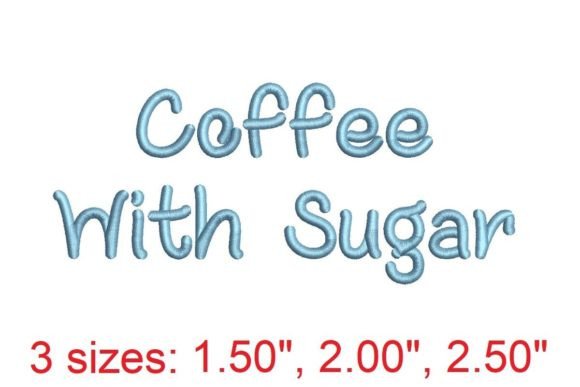
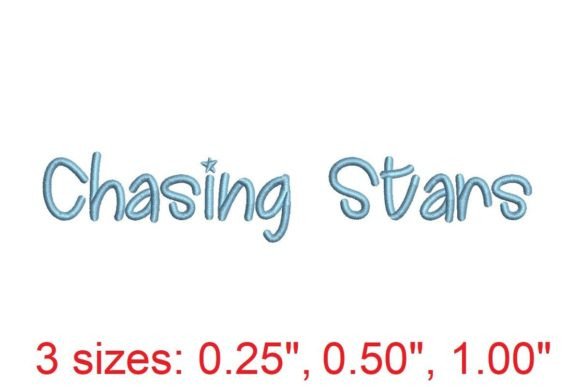
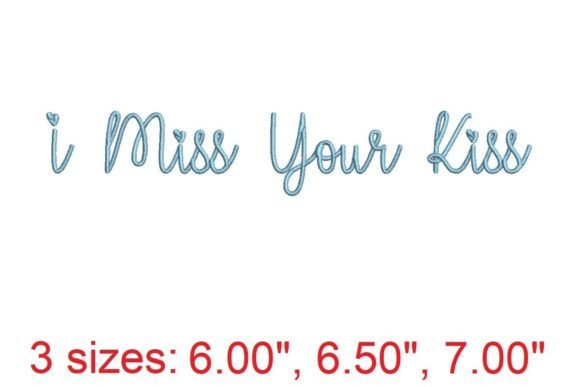
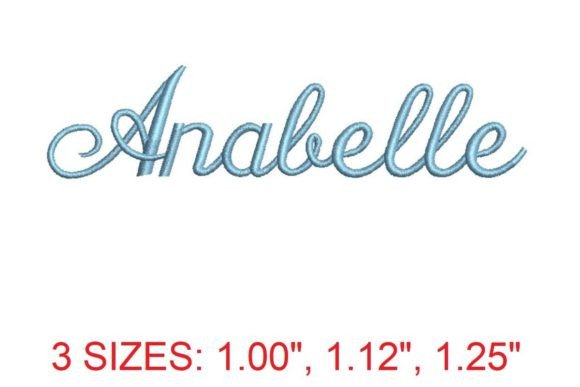
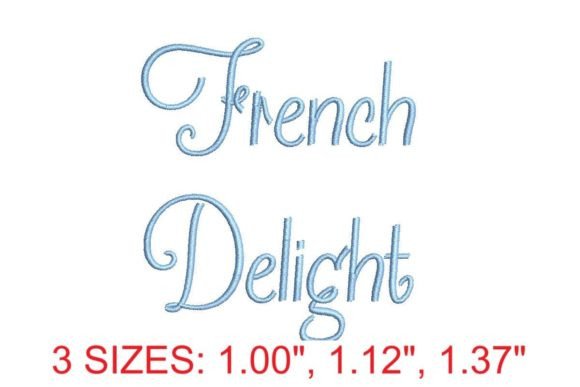
At first glance, the French Delight Embroidery Font feels like a whisper of Parisian elegance. Its fine lines and delicate curves suggest a handcrafted quality that’s both timeless and modern. The font carries a soft sophistication, ideal for those who want to add a touch of refinement without overwhelming the design. This makes it a strong candidate for projects that demand a balance between detail and readability.
Real-World Use: Custom Tote Bags and Personalized Gifts
I recently considered using the French Delight Embroidery Font for a custom tote bag meant for a local boutique. The idea was to create something that felt both elegant and approachable—perfect for a Back To School project or a holiday gift. The font’s intricate details would work well on a large canvas, allowing for a subtle yet impactful presence.
However, I also thought about how this font might perform on smaller items, like embroidered patches or baby clothes. The fine lines could become lost in small hoop sizes or on textured fabrics. This is where careful planning comes in—testing the design on scrap fabric, checking thread color contrast, and ensuring proper stabilizer use are all essential steps before committing to a finished product.
Stitching Clarity and Fabric Compatibility
One of the key considerations when working with the French Delight Embroidery Font is stitch density. Its intricate details require a balanced stitch count to maintain clarity without overcrowding the design. On dark fabrics, the contrast can be tricky, so testing in black and white mockups is a must. Lighter backgrounds tend to highlight the font’s elegance better, making it a great choice for linen, cotton, or even silk.
For stretchy or thin fabrics, the font’s fine lines may require extra stabilizer to prevent distortion. This is especially important for items like caps or aprons, where the design needs to hold up under frequent use and washing. While the font works well on flat surfaces, curved ones like hats might need additional adjustments to ensure the stitching remains clean and legible.
Design Assets for Craft Businesses and Etsy Sellers
For craft businesses and Etsy sellers, the French Delight Embroidery Font offers a versatile design asset. It can be used across a range of products, from personalized gifts to custom apparel. The font’s visual appeal makes it a strong contender for branding, especially for shops that focus on handmade and artisanal goods.
When creating printable mockups or digital previews, it’s crucial to test how the font looks in different lighting conditions and fabric textures. The font’s subtlety means it can easily blend into a design if not properly highlighted. This makes it a great option for decorative accents rather than the main focal point.
Where to Use Carefully: The Fine Line Between Beauty and Practicality
While the French Delight Embroidery Font is stunning, it’s not without its limitations. It requires attention to detail, especially when working with dense stitch areas or tiny lettering. For instance, using it on a baby item or a patch demands precision to ensure the design doesn’t get lost in the fabric.
Additionally, the font’s elegance might not translate well to highly textured fabrics or layered garments. These materials can obscure the fine lines, reducing the overall impact of the design. Always consider the end use and the fabric type before finalizing your design.
Building Trust Through Design Consistency
Consistency is key in any design project, and the French Delight Embroidery Font helps establish a cohesive brand identity. Whether you’re creating a line of custom apparel or a series of holiday gifts, the font’s refined look supports a professional and polished presentation.
From a customer perspective, the font’s elegance adds value to the finished product. It speaks to a level of care and attention that resonates with buyers looking for handmade, personalized items. This makes it a valuable asset for small shop owners and creative entrepreneurs aiming to build trust and recognition.
Practical Designer Notes for Real Projects
- Test on Scrap Fabric: Always check the design on a scrap piece before applying it to a finished product.
- Check Thread Color Contrast: Ensure the thread colors provide enough contrast against the fabric.
- Review Stitch Density: Balance detail with clarity to avoid overcrowding the design.
- Confirm Hoop Size: Choose a hoop that accommodates the design without stretching or distorting it.
- Inspect Small Details: Pay close attention to corners, edges, and lettering for clarity.
- Use Proper Stabilizer: Especially on stretchy or textured fabrics to maintain shape and stitch integrity.
- Test in Black and White Mockups: Assess how the design holds up in different lighting conditions.
- Compare Light and Dark Backgrounds: Ensure the font remains readable and visually appealing.
- Confirm Licensing Terms: Make sure you have the right to sell finished items or digital products.
Final Thoughts on French Delight Embroidery Font
The French Delight Embroidery Font is a thoughtful choice for designers who value elegance and detail. It’s not just a font—it’s a design language that can enhance a wide range of embroidery projects. Whether you’re crafting custom apparel, personalized gifts, or boutique products, this font has the potential to elevate your work with a touch of sophistication.
However, like any design, it requires careful consideration and planning. By testing, adjusting, and understanding its strengths and limitations, you can ensure it delivers the visual appeal and practicality needed for real-world use. With the right approach, the French Delight Embroidery Font can become a trusted asset in your design toolkit.